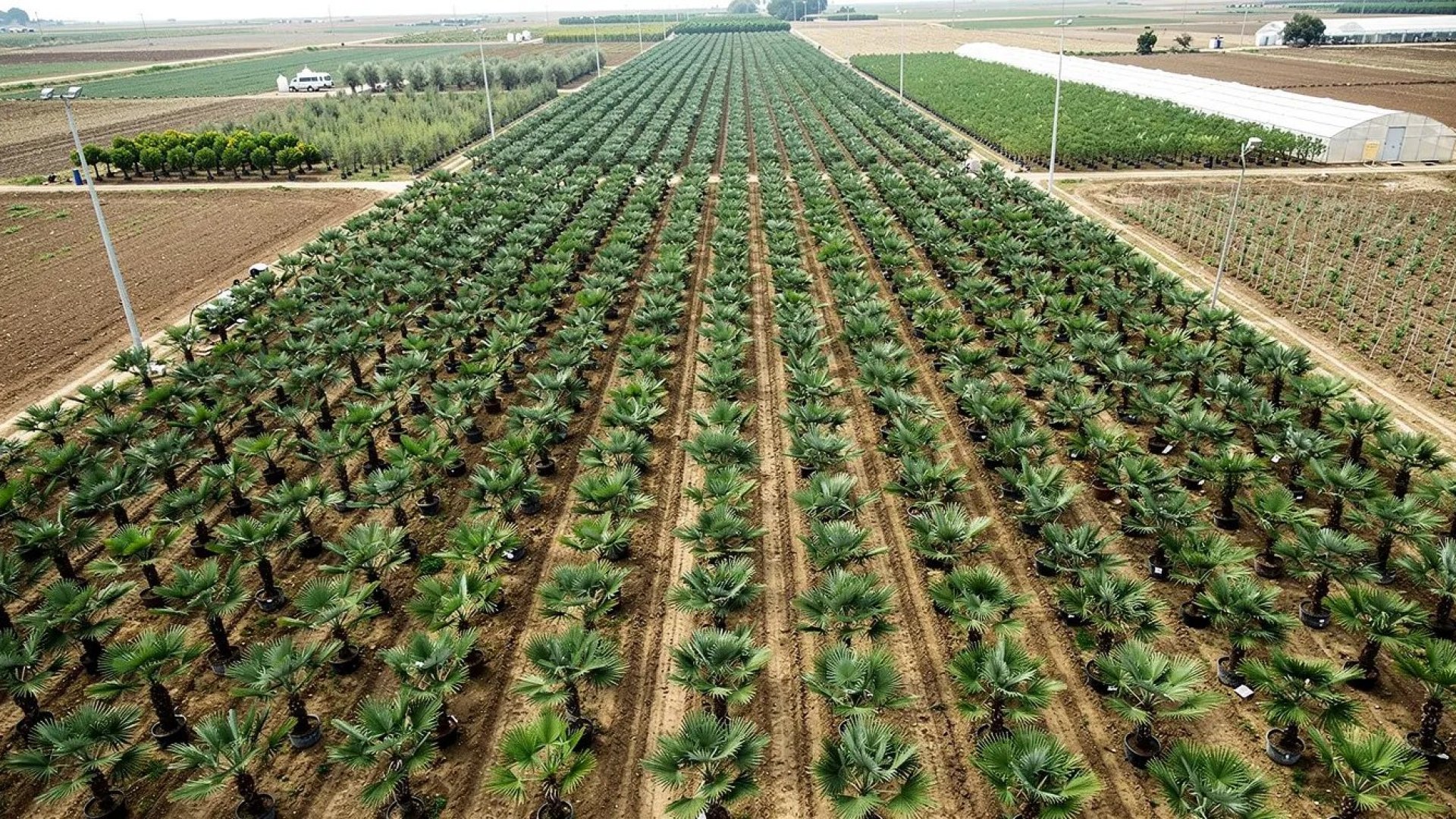
Whether you are designing a coastal resort, a urban park, or a residential development with hundreds of units, the success of any large-scale landscaping project depends on one critical decision made early in the planning process: choosing the right wholesale plant supplier. Getting this wrong can mean delayed timelines, inconsistent plant quality, and costly replacements down the line. Getting it right means a smoother installation, satisfied clients, and a stronger reputation for your business.
At Viveros La Brisa, we work closely with landscapers, garden centers, and architects across the Mediterranean region to supply robust, well-grown plants at a professional scale. In this guide, we walk you through the key considerations for planning and sourcing plants for large commercial projects, and explain why a specialist Mediterranean wholesale nursery should be your first call, not your last resort.
Start With the Site, Not the Plant List
One of the most common mistakes professionals make when approaching a large-scale project is generating a plant list before fully analysing the site conditions. Mediterranean landscapes are diverse, and the difference between a coastal plot exposed to salt spray and an inland urban development with compacted soils can completely change your species selection.
Before placing any wholesale order, consider the following site factors:
- Sun exposure and aspect: Full sun south-facing slopes have very different requirements from partially shaded north-facing walls.
- Soil type and drainage: Poor, stony soils actually favour many Mediterranean natives, but heavy clay or waterlogged ground requires careful species matching.
- Proximity to the coast: Salt spray tolerance is non-negotiable for coastal projects, and not all plants marketed as drought-tolerant are also salt-tolerant.
- Water availability: Irrigation budgets are increasingly limited in southern European projects, making true drought tolerance a priority rather than a preference.
- Client expectations: Ornamental value, seasonal colour, fragrance, and productive use all influence which species deliver the best return for the end client.
Once you have a clear site profile, you can match plant species to conditions with confidence, rather than retrofitting a generic plant list to a specific environment.
Understanding Plant Sizes and Lead Times at a Wholesale Level
When sourcing at scale, plant size selection is not just an aesthetic decision. It directly affects your project budget, installation logistics, and the timeline to visual impact. Medium-sized specimens represent the most practical choice for the majority of large commercial projects, offering a balance between immediate presence and cost-efficiency.
At Viveros La Brisa, our medium-sized stock across all key Mediterranean species is grown with professional buyers in mind. These plants are established enough to transplant reliably, yet sized appropriately for efficient transport and installation across multiple units or large site areas.
Lead times are another factor that experienced professionals plan around carefully. Popular species during peak planting seasons can be in high demand, and availability at the volumes required for large projects is not always guaranteed at short notice. Establishing a relationship with your wholesale nursery early in the design phase, rather than at the point of procurement, gives you access to reserved stock, accurate availability information, and the ability to phase deliveries to match your installation schedule.
Matching Mediterranean Species to Project Type
Not every Mediterranean plant suits every project context. Understanding the strengths of each species helps you create planting schemes that perform consistently over time and deliver real value to your clients.
Screening and Boundary Planting
For large-scale screening along road dividers, property boundaries, or noise barriers, fast-establishing species with dense growth habits are essential. Oleander is a proven performer in this context, producing abundant summer flowers in white, pink, and red while tolerating heat, drought, and coastal salt spray with minimal intervention. The Mastic Tree offers a complementary option for naturalistic screening schemes, with dense evergreen foliage and exceptional resilience in poor, dry soils.
Structural and Architectural Planting
Architects and landscape designers specifying plants for focal points, entrance features, or statement planting beds rely on species with strong visual character. The Canary Island Date Palm delivers immediate architectural drama, and medium-sized specimens offer excellent visual impact without the logistical complexity of oversized root balls. The European Fan Palm provides a more compact, regionally authentic alternative, with a multi-stemmed form and reliable drought and wind resistance that suits urban and coastal settings equally well. The Olive Tree remains the most versatile structural species available, with its sculptural form and silvery-green foliage working equally well in formal pool surrounds, commercial terraces, and informal naturalistic designs.
Mass Planting and Ground Coverage
Large-scale projects often require significant volumes of plants for mass planting schemes, erosion control slopes, or low-maintenance green infrastructure. Rosemary is consistently one of the most cost-effective and visually rewarding choices for these applications, offering fragrant evergreen foliage, seasonal blue flowers, and outstanding drought tolerance. It performs reliably in borders, on slopes, and even in green roofing projects. The Mastic Tree also works well at scale for erosion control and naturalistic planting, particularly on poor or stony ground where other species would struggle.
Hospitality and High-End Residential Projects
Hotel gardens, restaurant terraces, and luxury residential developments have specific expectations around sensory experience, seasonality, and year-round visual appeal. The Sweet Orange is a consistently popular choice in these settings, combining glossy evergreen foliage with fragrant blossom and vibrant fruit for a multi-seasonal display. The Pomegranate adds ornamental flowers and striking fruit alongside excellent drought tolerance, making it a versatile addition to both decorative planting schemes and productive kitchen gardens for hospitality clients.
Logistics and Phased Delivery: Planning for Scale
One of the practical advantages of working with a dedicated wholesale nursery like Viveros La Brisa is the ability to coordinate phased deliveries aligned to your construction and installation programme. Large projects rarely install all planting in a single phase, and having a supplier who can hold reserved stock and release deliveries on a schedule that matches your site programme is a significant operational advantage.
When planning logistics for large-scale deliveries, consider the following:
- Site access: Confirm vehicle access dimensions before scheduling deliveries to avoid costly delays on the day.
- Installation capacity: Match delivery volumes to your team's daily installation capacity to avoid plants sitting on site in adverse conditions.
- Seasonal timing: In Mediterranean climates, the optimal planting window runs from autumn through to early spring for most species, avoiding the stress of summer heat during establishment.
- Post-planting care: Even drought-tolerant species require regular watering during their first growing season to establish root systems. Factor this into your project handover documentation for clients.
Building a Long-Term Supplier Relationship
The most successful landscaping professionals and garden centers treat their wholesale nursery as a long-term partner rather than a transactional supplier. A reliable supplier relationship gives you access to consistent plant quality, honest availability information, and the flexibility to adapt orders as project scopes change.
At Viveros La Brisa, our approach is captured in our commitment to quality wholesale with care. That means growing plants to a professional standard, communicating openly about stock and lead times, and supporting our clients through the full procurement process. We supply a curated range of Mediterranean species selected specifically for their performance in professional landscaping contexts, from the resilient Oleander and Mastic Tree to the iconic Olive Tree, classic Canary Island Date Palm, and productive Sweet Orange and Pomegranate.
If you are planning a large-scale project and want to discuss your requirements, our team is ready to help you match the right species, volumes, and delivery schedule to your programme. Contact Viveros La Brisa today to begin the conversation.